


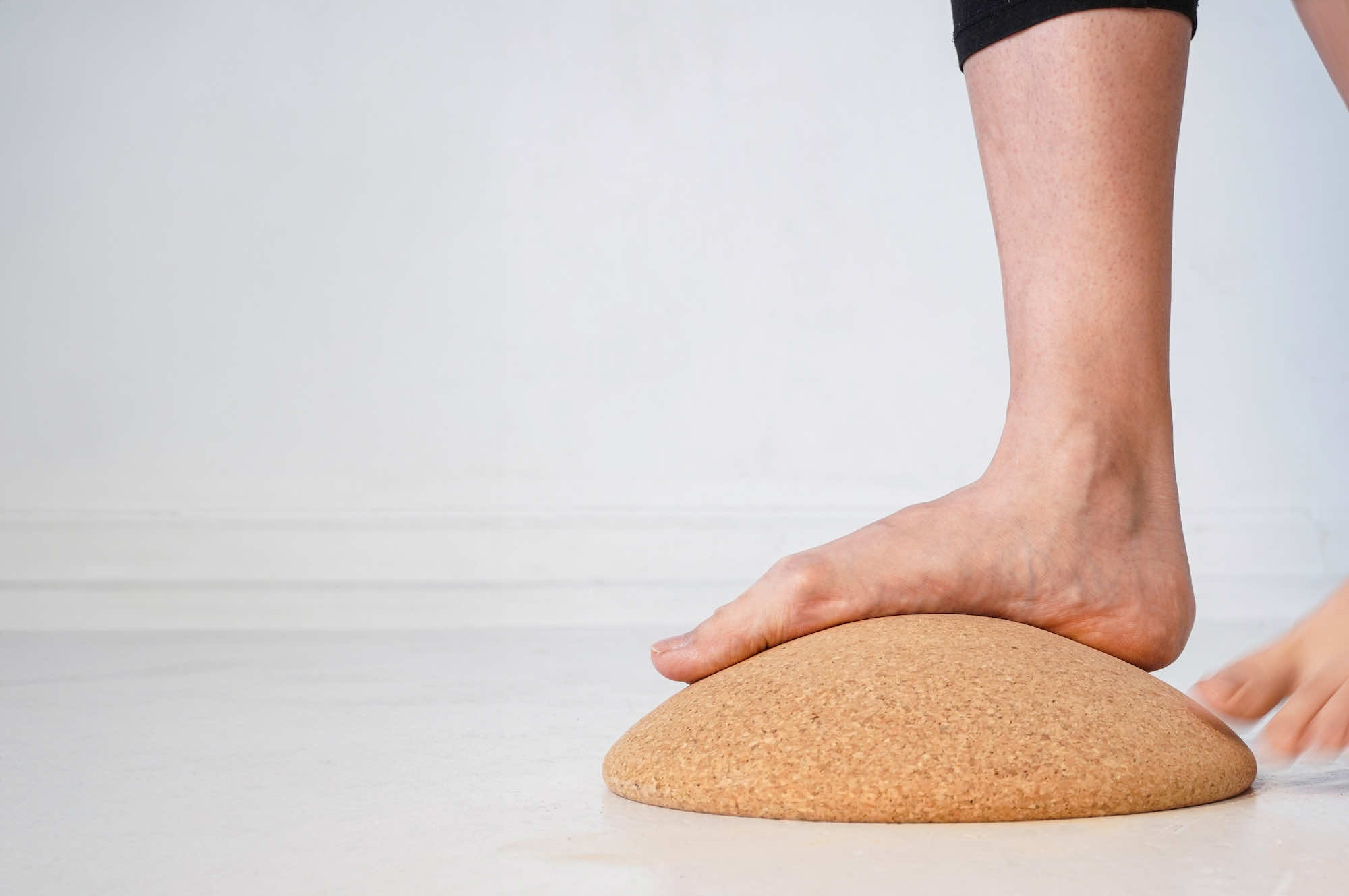
Balance, Training & Therapeutic Use
der.Wackler is used not only for everyday balance training but also in therapeutic and movement-based educational settings. Its curved base challenges balance, coordination and body control and can be used for a wide range of balance and stability exercises.
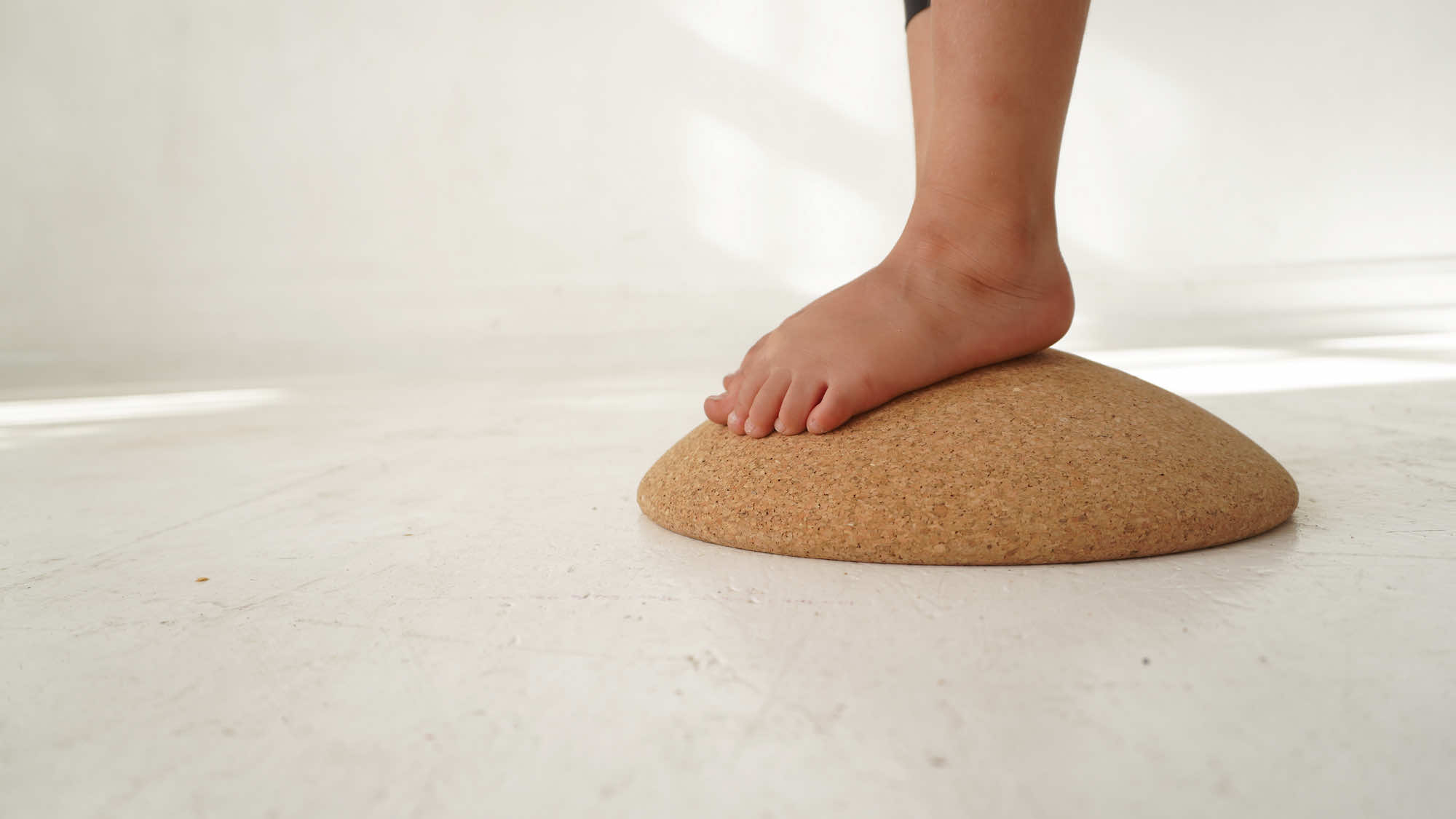
The grippy cork surface feels comfortable underfoot and supports exercises while standing, sitting and moving.
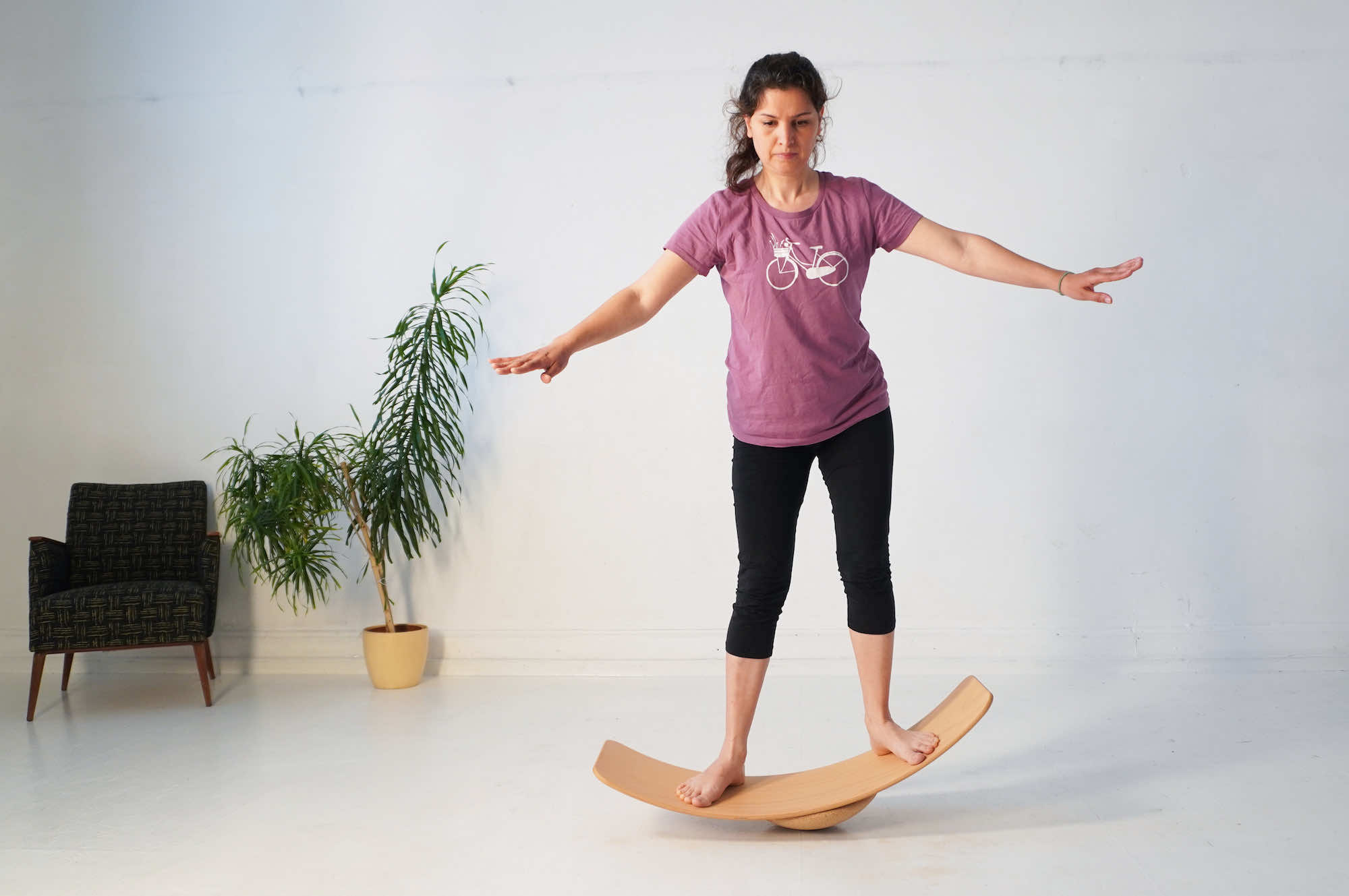
Use It as a Balance Board with das.Brett
Combined with das.Brett, der.Wackler turns into an indoor surfboard. The moving support challenges balance, coordination and the leg and core muscles, while the rounded shape also allows rotational movements.
This creates a challenging full-body workout with plenty of exercise variations. Beginners should start slowly and gradually get used to the instability.
For better grip, we recommend using das.Brett with a cork underside.
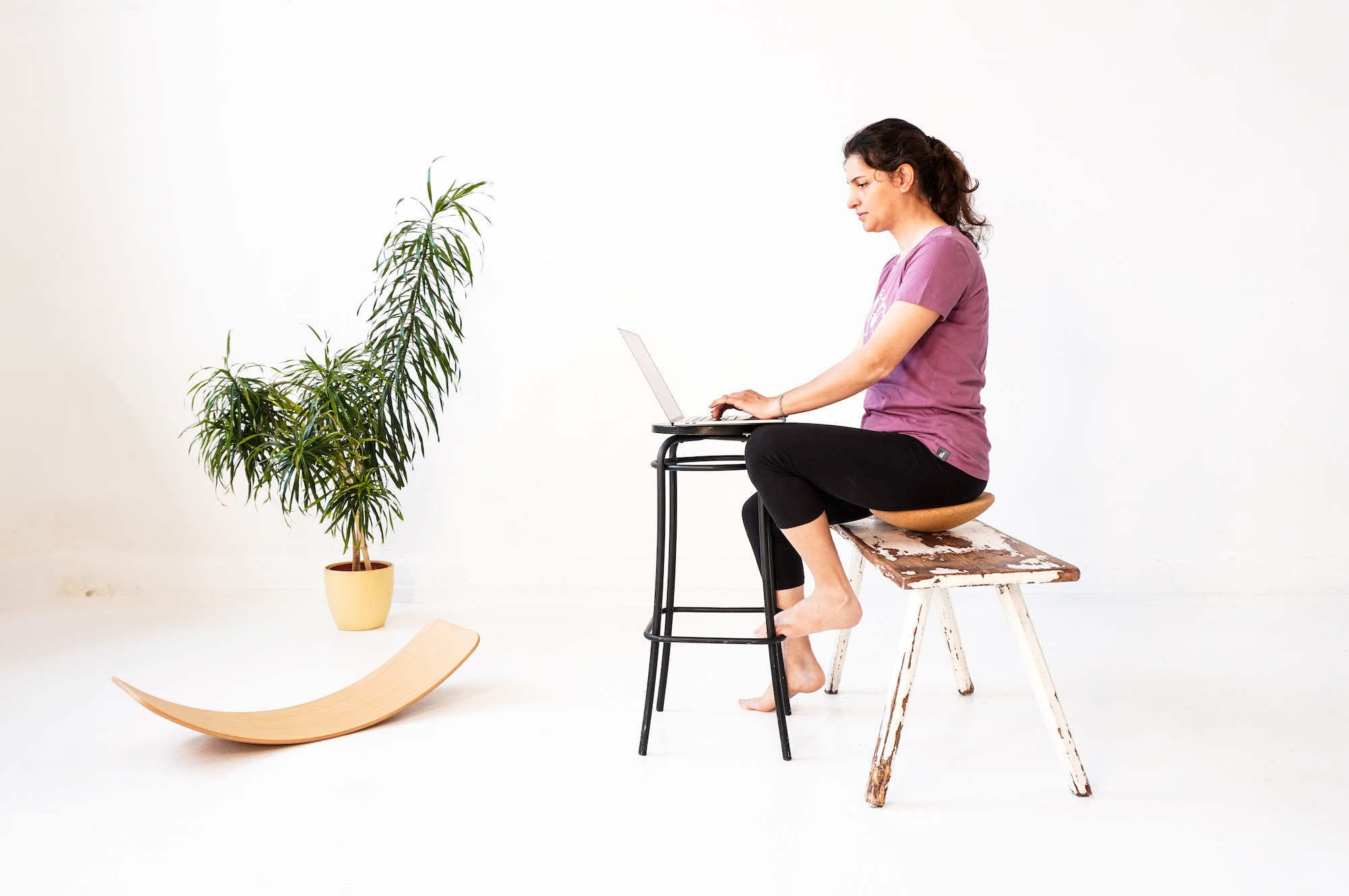
Dynamic Sitting Surface
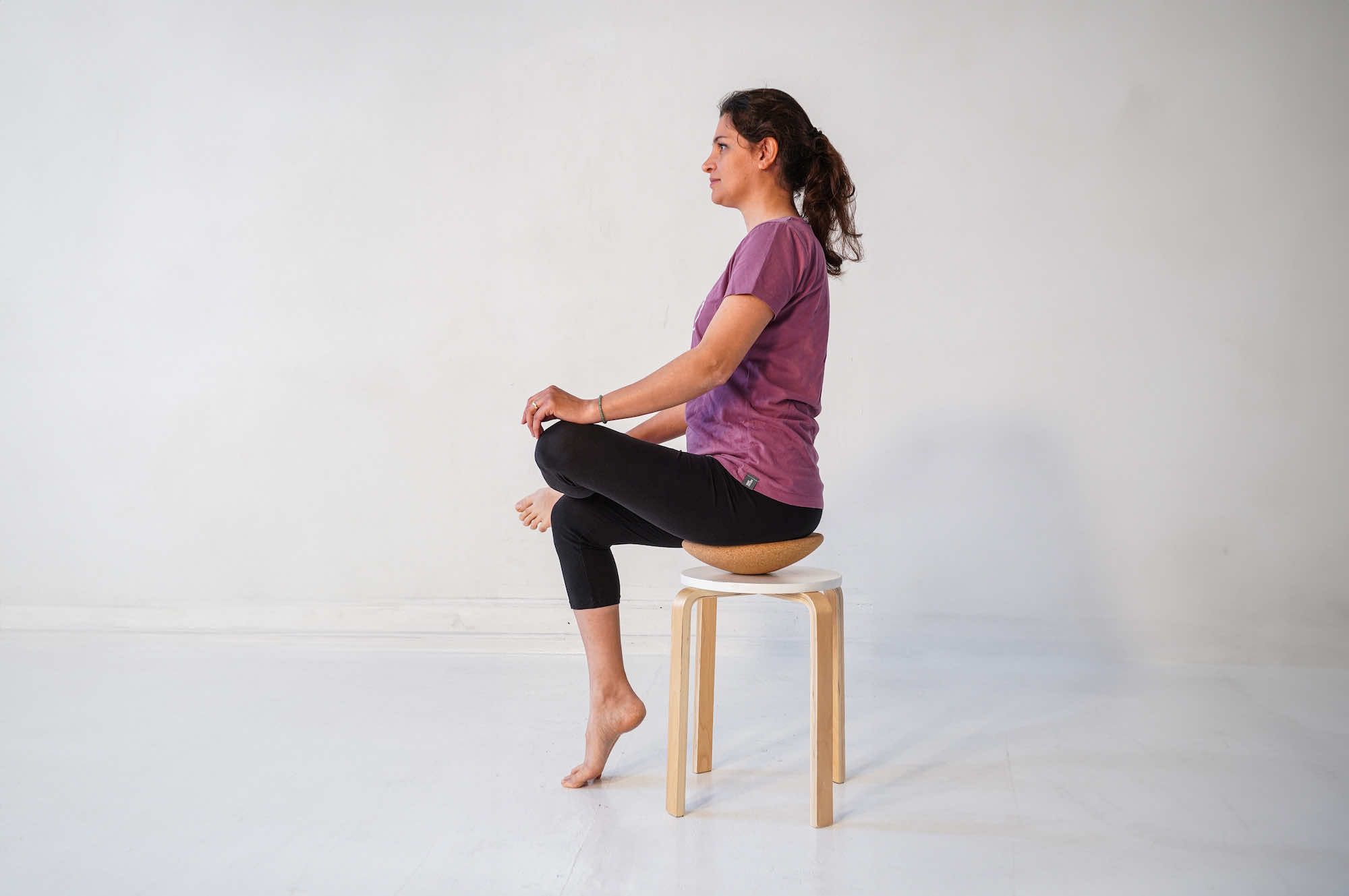
der.Wackler brings more movement into sitting. Its curved base keeps the sitting position slightly dynamic and encourages small posture changes and balancing movements.
People who sit for long periods or want to add more movement to their daily routine often use dynamic sitting surfaces as an alternative to static sitting.
Open-Ended Play
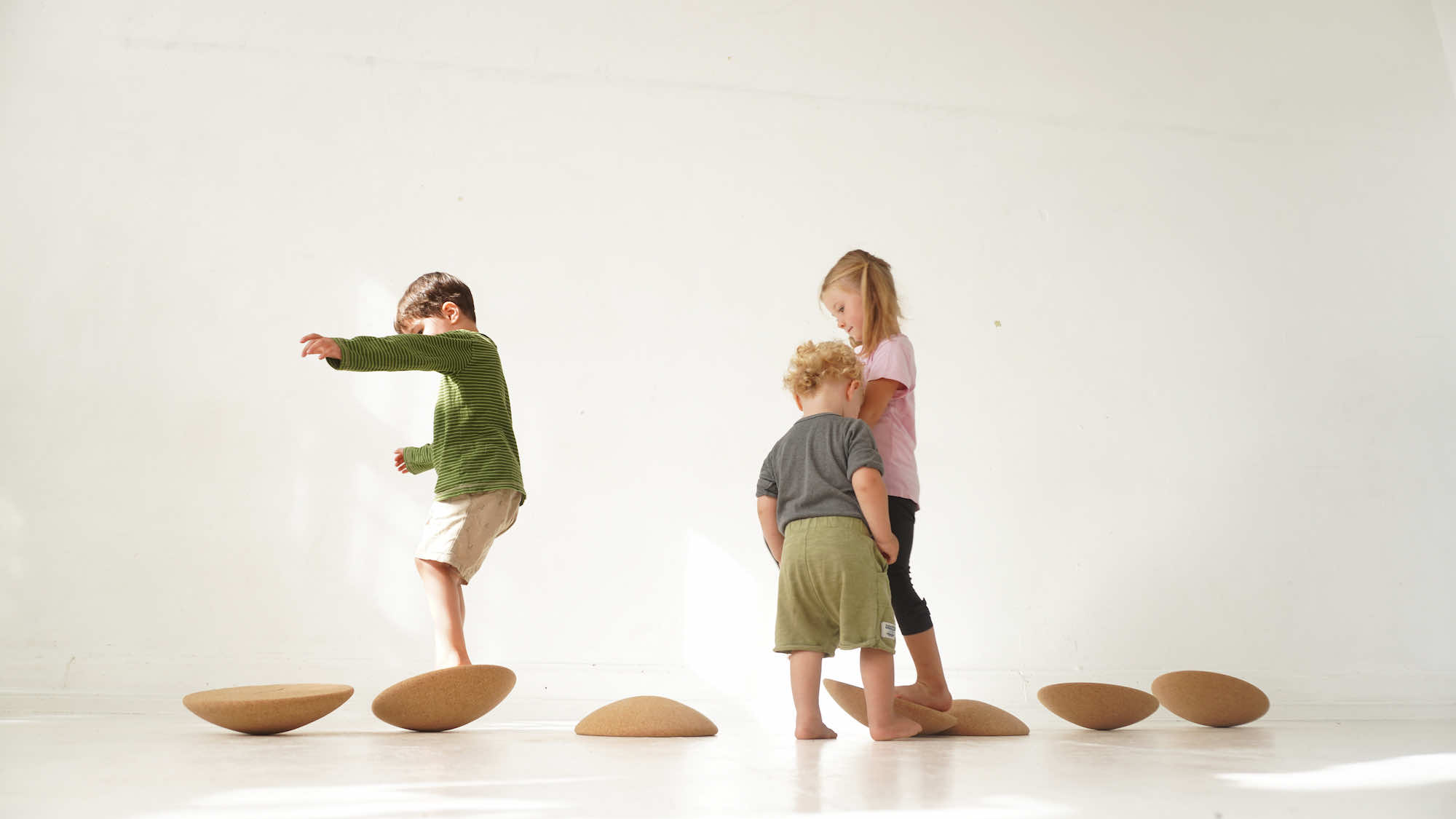
For children, der.Wackler is much more than a balance trainer. It can be used for standing, sitting, balancing, building or as a surface for play and creative activities.
Its simple, open-ended design leaves plenty of room for movement, imagination and individual ideas.

Training Foot Muscles & Body Stability
Balancing on der.Wackler requires the feet and toes to make continuous small adjustments. This actively challenges foot muscles, balance and overall body stability.
Train with both feet, balance on one leg or try different exercises from our workout video.

Turn der.Wackler & das.Brett into an Indoor Surfboard
der.Wackler and das.Brett can each be used on their own – together, they create an especially dynamic balance workout.
Placed on der.Wackler, das.Brett becomes an indoor surfboard. The moving support challenges balance and body control and even allows rotations of up to 360°.
For better grip, we recommend using das.Brett with a cork underside.


Why Cork?
Cork is the bark of the cork oak and naturally combines several useful properties: it is lightweight, grippy, elastic and pleasantly warm to the touch.
The tree does not need to be cut down to harvest cork. Its bark is carefully removed by skilled workers and then grows back. At least nine years pass between two harvests.