
Throwing and Catching!
Throwing and catching are fundamental movement skills that children learn and refine as they grow. At the same time, everyday life often offers fewer opportunities to practise these movements naturally. And it is not just about traditional ball games: different objects, flight paths and distances continually create new challenges for timing, hand-eye coordination and movement.
The best way to get started is through play. Large, lightweight and easy-to-grip objects can make the first attempts easier. As children become more confident, distance, speed and difficulty can gradually be increased.
When do children learn to throw and catch?
Every child develops at their own pace. Children usually begin experimenting with rolling and throwing objects quite early, while catching often takes a little longer because it requires them to judge the flight path and coordinate their hands at the right moment.
As children gain experience, their throws usually become more controlled and their catching more reliable. Around the age of four, many children can already catch a larger ball quite consistently, although there is a wide range of normal development.
The most important thing is to give children plenty of opportunities to practise through play. There is no need for formal training: rolling, throwing, catching and aiming at targets with different objects and from different distances is usually enough.
If catching still feels difficult, start with large, soft and lightweight objects and short distances. This keeps the game relaxed and makes first successes easier.
What can I do if my child throws everything around?
Throwing is fascinating for children: How far will something fly? How much force do I need? What happens if I throw it in a different direction?
Of course, that does not mean every object in the house should become a throwing toy. Clear rules can help: show children which objects are meant for throwing and which ones need to stay where they are.
At the same time, give them plenty of opportunities to throw safely with suitable objects. This way, they can explore movement, distance and direction without turning the whole house into a playground.
Throwing and catching indoors
Running, throwing and catching naturally belong outdoors. But children also spend plenty of time indoors – and especially on rainy days, during colder months or on long afternoons at home, movement does not have to stop completely.
Not every throwing game needs a large garden or sports field. With lightweight objects, short flight paths and enough free space, children can explore different throwing and catching games indoors as well. That is exactly why we developed some of our play ideas.
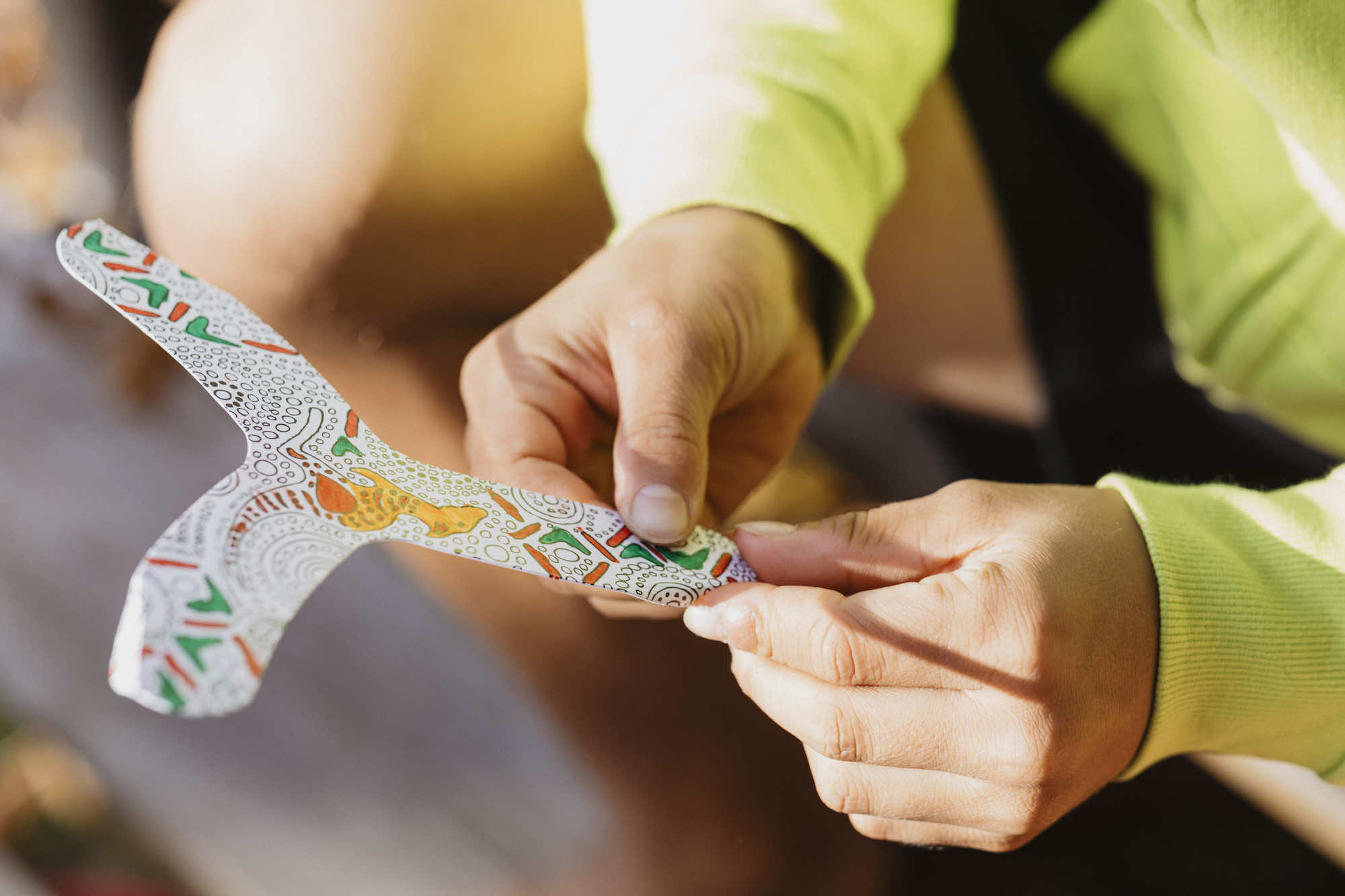
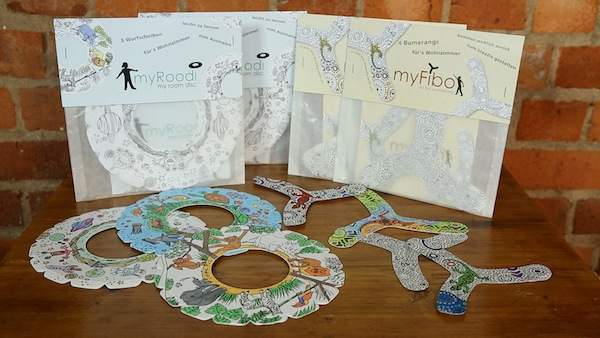
myFibo brings boomerang throwing into the living room. The lightweight cardboard boomerang is designed for short flight paths and, with the right throwing technique, returns towards the thrower. This combines throwing and catching in a single activity. Before or after playing, the boomerangs can also be decorated individually.
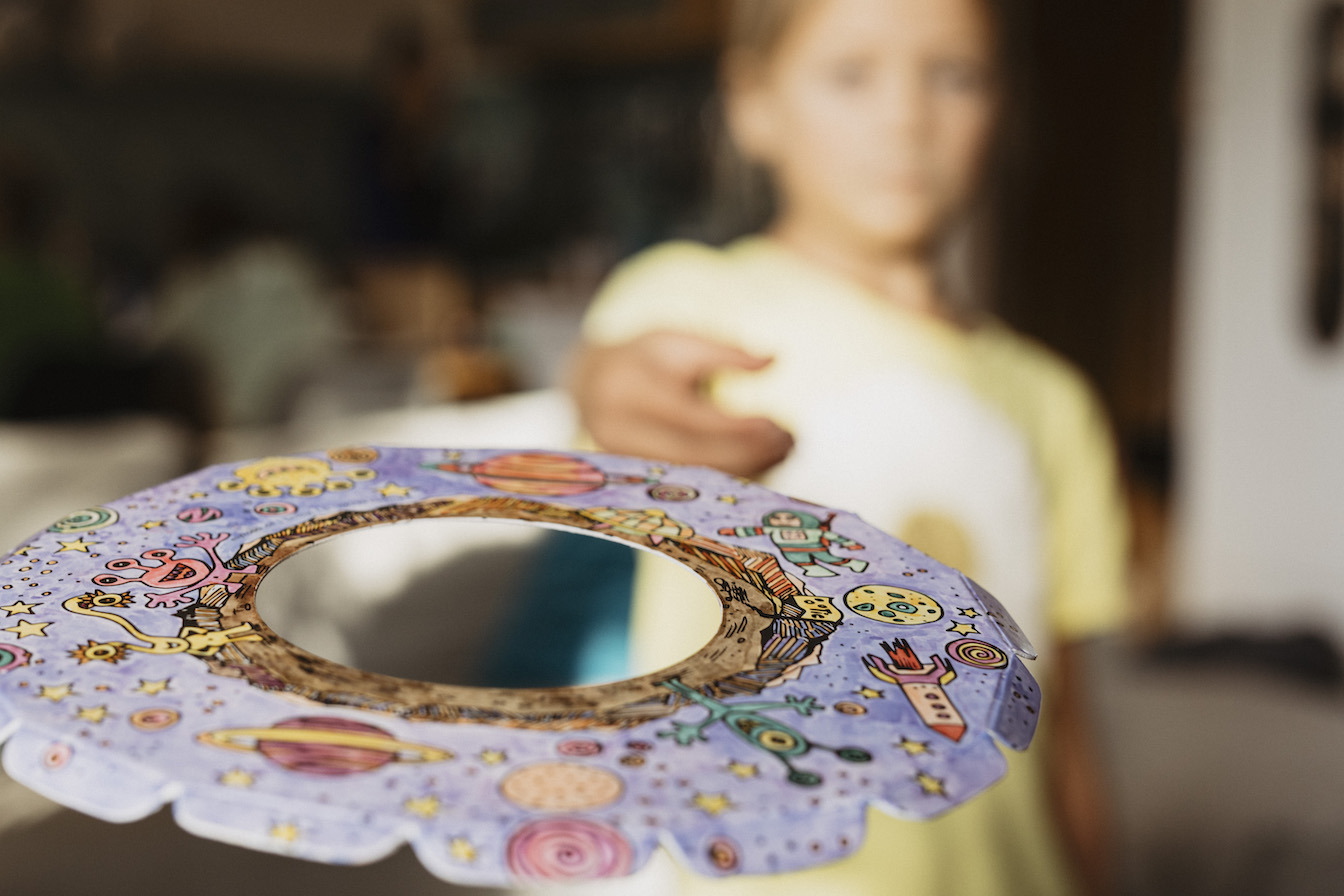
myRoodi offers younger children an easy introduction to throwing a flying disc. Its lightweight cardboard construction and simple throwing motion make it particularly suitable for short distances indoors. The three designs – Underwater, Safari and Space – can also be decorated individually.
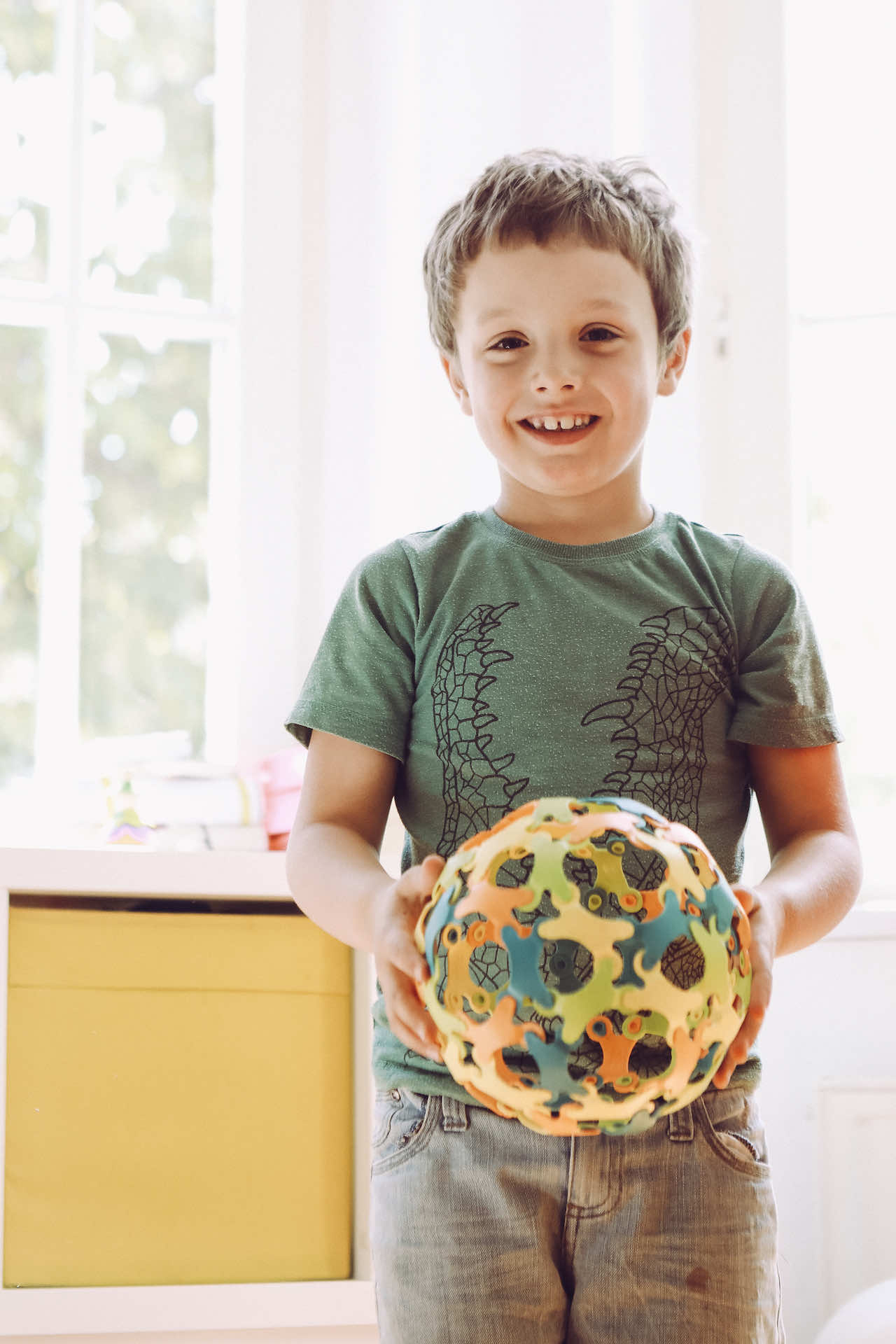
Binabo offers another way to explore throwing and catching. Its balls are easy to grip thanks to the many openings in the construction. As children become more confident, they can move beyond simple throwing and catching and try kicking, keeping the ball in the air or their first freestyle ideas.
With corkolores Juggle4kids, throwing and catching becomes a continuous movement. Starting with one ball and gradually adding a second and third is a simple way to explore rhythm, timing and hand-eye coordination. The soft millet-filled juggling balls are also well suited to practising indoors.
corkolores Roule adds yet another type of throwing game. The soft rolls can be thrown towards a target, rolled across the floor or stacked in different ways. This makes Roule a versatile option for indoor target games and small skill challenges.
Together, these games show how many different forms throwing and catching can take indoors – from flying discs and boomerangs to balls, juggling and target throwing.
Trying different throwing movements outdoors
Outdoors, there is more room to move, throw over longer distances and experiment with different types of movement. Games such as Tualoop and flup work differently from classic ball throwing and catching – and can therefore offer children a playful and sometimes especially easy way to get started.
flup is recommended from age 4. The throwing bag is launched from the cloth with a pulling movement. When catching, children do not have to grab it precisely with their hands – the large cloth surface makes catching easier and can lead to quick first successes. This also allows children to enjoy throwing and catching together even if catching a ball is still difficult.
Outdoors, flup can be played in many different ways: in the garden, at the park, on a meadow or at the beach. You can simply throw back and forth, increase the distance, aim at targets or play the bag over a net. It is also easy to invent your own rules and team games.
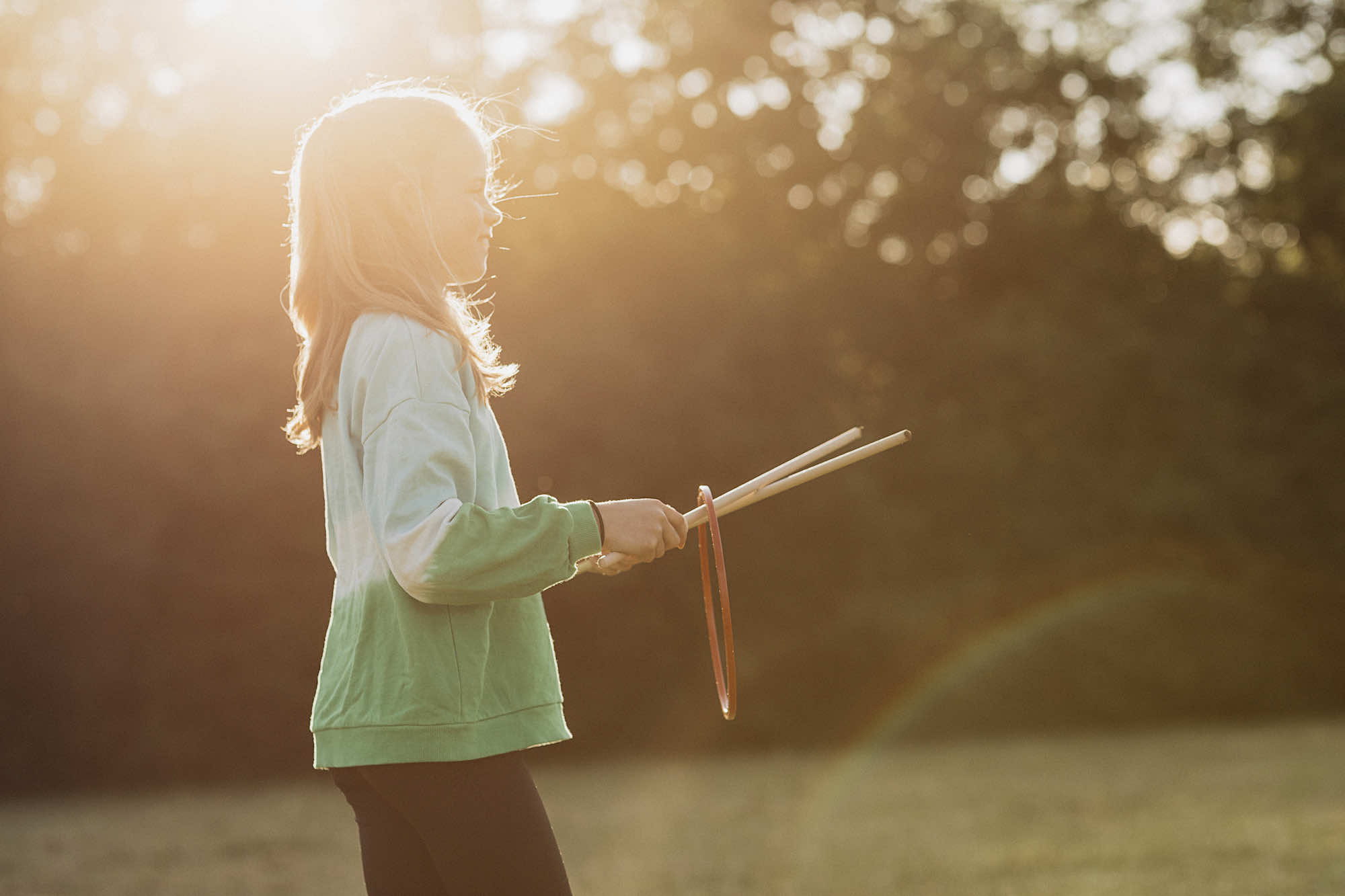
Tualoop is recommended from age 6. The ring is accelerated using two sticks and caught again by the other player. Its special throwing technique allows for short and long throws, high flight paths and controlled passes. Outdoors, you can also experiment with different distances, target throwing and your own game variations.
These different throwing principles complement classic ball games and show just how varied throwing and catching can be. At the same time, outdoor play offers plenty of space for movement, shared play and new ideas.


If you would like to try both throwing games, Tualoop and flup are also available together in the “Tualoop & flup” combination set. This gives you two different throwing principles in one set and lets you switch between them depending on age, space and the type of game you feel like playing.
Was this post helpful?
Thank you for your feedback!
Mehr Wurf- und Fangspiele:


Comments (0)